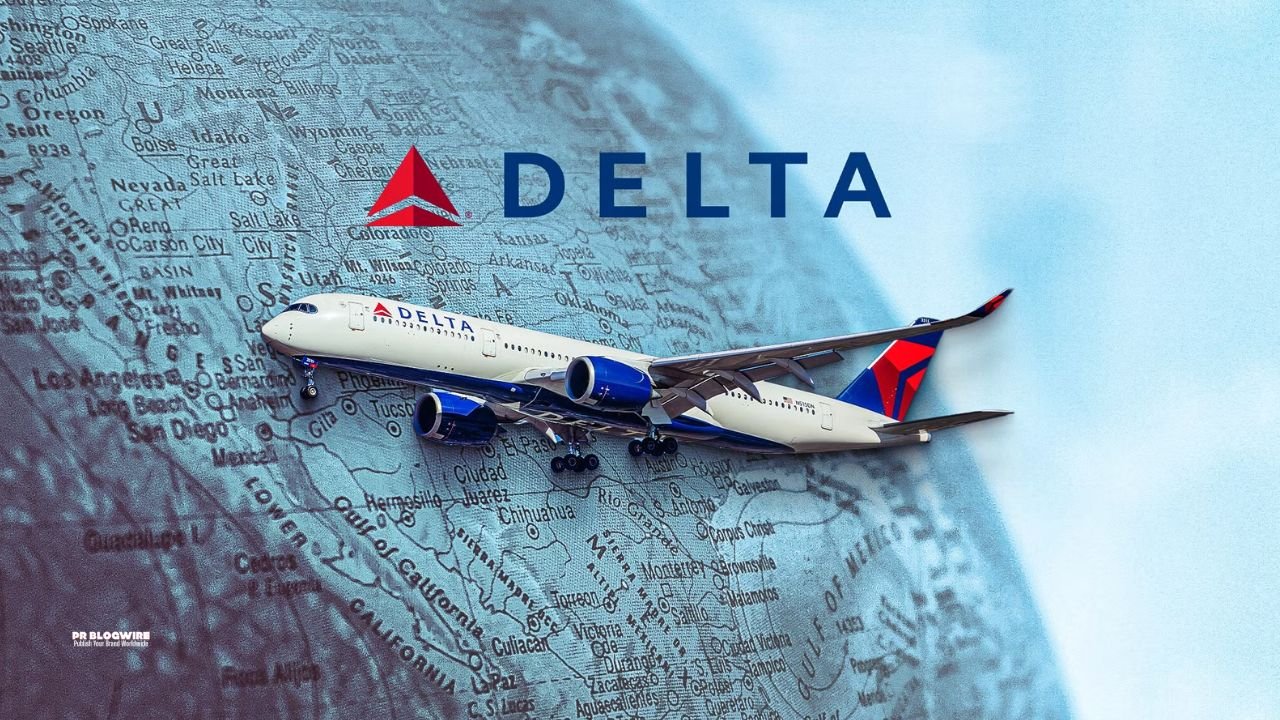
Delta Flight DL275 Diverted to LAX: Detroit-Tokyo A350 Emergency Landing Explained
On May 28, 2025, Delta Air Lines Flight DL275 — a regularly scheduled long-haul service from Detroit Metropolitan Wayne County Airport (DTW) to Tokyo Haneda Airport (HND) — made headlines across the aviation world when it was abruptly diverted to Los Angeles International Airport (LAX). What began as a routine transpacific journey quickly turned into a high-stakes test of crew professionalism and airline safety protocols.
The Delta DL275 diversion to LAX was triggered by a technical malfunction in the aircraft’s Rolls-Royce Trent XWB engine anti-ice system, a critical component for high-altitude flights over cold oceanic regions. Rather than risk continuing across the vast Pacific Ocean with a compromised system, the flight crew made the decisive call to turn the Airbus A350 around and head for the nearest suitable major hub — Los Angeles.
This article provides a complete breakdown of the Delta Flight DL275 incident: what happened, why the pilots chose LAX, the technical details behind the engine anti-ice failure, how passengers were affected, and what this diversion reveals about modern aviation safety standards.
Table of Contents
- 1. What Happened on Delta Flight DL275? A Complete Timeline
- 2. Why Was DL275 Diverted to LAX Instead of Another Airport?
- 3. Technical Deep Dive: Rolls-Royce Trent XWB Anti-Ice System
- 4. The Aircraft: Airbus A350-900 N508DN
- 5. Passenger Experience and Rebooking
- 6. A Troubling Pattern: Delta’s May 28, 2025 Incidents
- 7. Aviation Safety Analysis: Why Diversions Save Lives
- 8. What Is Delta Flight DL275? Route History and Significance
- 9. Frequently Asked Questions About DL275
- 10. Conclusion: Lessons from the DL275 LAX Diversion
- 11. External Sources and References
1. What Happened on Delta Flight DL275? A Complete Timeline
Departure from Detroit: A Normal Start
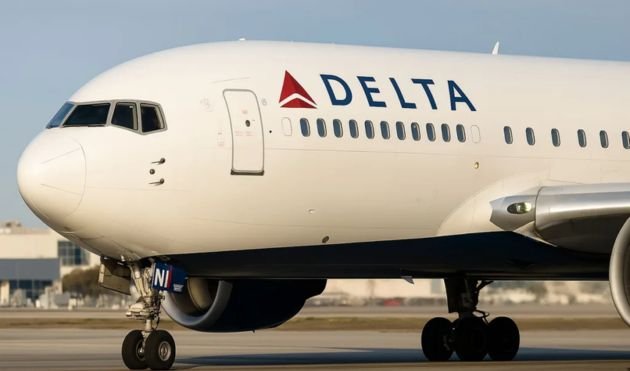
Delta Flight DL275 departed Detroit (DTW) from Gate A46 on the evening of May 27, 2025, bound for Tokyo Haneda (HND). The flight was operated by an Airbus A350-900, registration N508DN, one of Delta’s flagship wide-body aircraft for transpacific routes. Onboard were passengers expecting a roughly 13-hour journey across the North Pacific.
For the first several hours, the flight proceeded normally. The A350 climbed to its assigned cruising altitude and tracked westward over the continental United States before heading out over the Pacific Ocean toward Japan.
The Critical Moment: 620 Nautical Miles Southwest of Anchorage
The situation changed dramatically while the aircraft was cruising at Flight Level 380 (approximately 38,000 feet), roughly 620 nautical miles southwest of Anchorage, Alaska. At this point, the flight crew detected an anomaly in the engine anti-ice system of one of the aircraft’s Rolls-Royce Trent XWB engines. [Aviation A2Z] [Travel And Tour World]
The anti-ice system is essential for preventing ice accumulation on engine fan blades and inlet surfaces during high-altitude, cold-weather operations. Ice buildup can cause engine thrust loss, vibration, or even complete engine failure — a catastrophic risk, especially when flying hours away from the nearest airport over open ocean.
Faced with this potential hazard, the crew made the only safe decision: divert immediately.
The Long Turnaround: 5.5 Hours to LAX
Rather than continuing toward Tokyo or attempting to return to Detroit — both of which would have meant prolonged exposure to the risk — the crew elected to divert to Los Angeles International Airport (LAX). The turnback and subsequent flight to LAX took approximately 5.5 hours, a testament to the vast distances involved in transpacific operations. [Airlive Tracking]
The aircraft touched down safely on Runway 06R at LAX at approximately 01:08 AM local time on May 28, 2025. Emergency response crews were standing by, but no injuries were reported and the landing was routine. [FlightAware Live Tracking]
Aftermath: Cancellation and Rebooking
Following the safe landing, Delta cancelled the remainder of Flight DL275 to Tokyo. The airline’s operations team immediately began rebooking affected passengers onto alternative flights to Tokyo Haneda. The aircraft itself, N508DN, was grounded at LAX for approximately 18.5 hours while maintenance crews inspected and repaired the anti-ice system before returning it to service. [Aviation A2Z]
2. Why Was DL275 Diverted to LAX Instead of Another Airport?
Proximity, Infrastructure, and Delta Hub Strategy
The decision to divert to Los Angeles International Airport (LAX) rather than continuing to Tokyo or turning back to Detroit was not arbitrary. It was a calculated operational choice based on several critical factors:
1. LAX Is a Major Delta Hub
Los Angeles serves as one of Delta’s key West Coast hubs, with extensive maintenance facilities, spare parts inventory, and technical expertise capable of servicing the Airbus A350 and its Trent XWB engines. Diverting to a Delta hub ensures faster repairs and better passenger rebooking options.
2. Maintenance Capabilities
Not every airport can handle an A350 engine anti-ice system repair. LAX has the hangars, certified mechanics, and parts availability to address complex issues on wide-body aircraft, minimizing ground time.
3. Passenger Rebooking Infrastructure
With numerous daily flights from LAX to Tokyo and across the Pacific, Delta could efficiently rebook passengers. A diversion to a smaller airport would have stranded travelers with limited onward options.
4. Strategic Position on the Route
Although the aircraft was southwest of Alaska when the issue arose, diverting to LAX — while a long flight — positioned the plane at a major operational center rather than an isolated alternate.
3. Technical Deep Dive: Rolls-Royce Trent XWB Anti-Ice System
What Is an Engine Anti-Ice System?
The engine anti-ice system on modern jet engines is designed to prevent the formation of ice on the engine inlet, fan blades, and other critical front-end components. At high altitudes and in cold temperatures — especially over the North Pacific where temperatures can drop dramatically — moisture in the air can freeze on contact with engine surfaces.
Ice accumulation disrupts airflow, causes engine imbalance, reduces thrust, and can shed chunks of ice into the engine, causing foreign object damage (FOD). In extreme cases, severe icing can lead to engine flameout or failure.
The Trent XWB on the Airbus A350
The Rolls-Royce Trent XWB is the exclusive engine option for the Airbus A350 family, renowned for its fuel efficiency, reduced noise, and reliability. However, like all complex turbofan engines, it relies on dozens of subsystems — including the anti-ice bleed air system — to operate safely in all weather conditions.
The anti-ice system typically uses hot bleed air from the engine’s compressor section, routed to the inlet and nose cone to keep surfaces above freezing. A malfunction in this system — whether sensor failure, valve issue, or bleed air loss — triggers cockpit alerts and requires immediate crew action.
Why This Malfunction Demanded a Diversion
Over the North Pacific Ocean, the nearest suitable diversion airports are often hundreds of miles apart. Continuing toward Tokyo with a known anti-ice system fault would have meant gambling on clear atmospheric conditions for the remaining 6+ hours of oceanic flight. Given that the route passes through regions where icing is a genuine hazard, the crew’s decision to divert was textbook airmanship and aligned with the airline’s safety-first protocols. [The Aviation Herald]
4. The Aircraft: Airbus A350-900 N508DN
Delta’s Airbus A350 Fleet
Delta Air Lines operates a growing fleet of Airbus A350-900 aircraft, which have become the backbone of its long-haul international network. The A350 is prized for its carbon-fiber fuselage, fuel-efficient design, advanced aerodynamics, and passenger-friendly cabin pressurization.
Registration N508DN is one of these modern wide-bodies, regularly deployed on premium routes such as Detroit-Tokyo, Atlanta-Seoul, and Los Angeles-Sydney. The aircraft was delivered to Delta as part of the airline’s fleet modernization strategy aimed at replacing older Boeing 747s and reducing per-seat fuel consumption.
Post-Incident Grounding
After landing at LAX, N508DN underwent a thorough inspection and maintenance cycle lasting approximately 18.5 hours. This suggests that the anti-ice issue required more than a simple reset — likely involving component replacement, system testing, and verification before the aircraft was cleared to return to commercial service. [Aviation A2Z]
5. Passenger Experience and Rebooking
What Did Passengers Know?
According to reports, the flight crew communicated the nature of the technical issue to passengers, explaining that the engine anti-ice system malfunction necessitated a diversion to Los Angeles. While any mid-flight diversion causes anxiety, the crew’s transparency and professionalism helped maintain calm onboard.
The Unplanned Layover in Los Angeles
For travelers expecting to wake up in Tokyo, the diversion meant an unexpected night in Los Angeles. Delta’s operations team worked to:
- Rebook passengers on the next available flights to Tokyo Haneda
- Provide hotel accommodations for those with extended waits
- Offer meal vouchers and customer service support
While inconvenient, the airline’s response was consistent with its customer service commitments during irregular operations. Most passengers ultimately reached Tokyo with delays ranging from several hours to a full day.
Social Media Reactions
Aviation enthusiasts and passengers alike took to platforms like Reddit and Twitter to discuss the unusual nature of the diversion. Some expressed frustration at the disruption, while others praised the crew’s caution. The FlightRadar24 tracking data showed the dramatic U-turn over the Pacific, sparking curiosity among plane watchers worldwide. [Reddit Discussion]
6. A Troubling Pattern: Delta’s May 28, 2025 Incidents
The DL275 diversion was not an isolated event. The same day — May 28, 2025 — Delta Air Lines experienced multiple technical diversions across its fleet, raising questions about fleet reliability and maintenance scheduling:
Flight DL2346: New York LaGuardia to Miami
A Boeing 737-800 (registration N383DN) operating DL2346 from LGA to MIA declared an emergency shortly after takeoff due to a loud bang during rotation. The crew diverted safely to John F. Kennedy International Airport (JFK), landing on Runway 22L. The aircraft remained grounded for over 22 hours following the incident. [Aviation A2Z] [KTLA News]
Flight DL2286: New York JFK to Atlanta
A Boeing 757-200 (registration N711ZX) flying DL2286 from JFK to ATL diverted to Charlotte Douglas International Airport (CLT) after the crew detected the smell of smoke in the cockpit. The plane landed without further incident approximately 20 minutes after the diversion decision. [Aviation A2Z]
Industry Context
While three diversions in one day may seem alarming, aviation experts note that Delta operates thousands of flights daily across a massive global network. Statistically, minor technical issues are inevitable. What matters is that in each case, crews followed procedures, diverted safely, and no injuries occurred. Nonetheless, the concentration of incidents on a single day drew attention from aviation safety observers and the traveling public.
7. Aviation Safety Analysis: Why Diversions Save Lives
The Culture of Safety in Commercial Aviation
The Delta DL275 LAX diversion exemplifies the safety-first culture that defines modern commercial aviation. Pilots are trained extensively on aeronautical decision-making (ADM), a structured process for evaluating risks and choosing the safest course of action — even when that action is expensive and inconvenient for the airline.
The “Swiss Cheese Model” of Accident Prevention
Aviation safety experts often reference the “Swiss Cheese Model”, which posits that accidents occur only when multiple layers of defense fail simultaneously. In the DL275 incident:
- Layer 1 (Design): The anti-ice system malfunctioned — a layer failed.
- Layer 2 (Monitoring): Crew detected the issue promptly — layer held.
- Layer 3 (Decision): Pilots diverted to a suitable airport — layer held.
- Layer 4 (Execution): Safe landing with emergency support — layer held.
Because the crew caught the issue early and acted decisively, the potential chain of failure was broken.
Regulatory Framework
The Federal Aviation Administration (FAA) and international bodies like the International Civil Aviation Organization (ICAO) mandate strict protocols for system malfunctions during extended overwater operations. For Extended-range Twin-engine Operational Performance Standards (ETOPS) flights like Detroit-Tokyo, airlines must demonstrate that their aircraft can reach a suitable diversion airport within a specified time frame on a single engine. The DL275 crew’s actions were fully consistent with these regulations.
8. What Is Delta Flight DL275? Route History and Operational Significance
The Detroit-Tokyo Haneda Route
Delta Flight DL275 is a daily long-haul service connecting Detroit Metropolitan Wayne County Airport (DTW) — Delta’s second-largest hub — with Tokyo Haneda Airport (HND), one of the busiest airports in Asia and a preferred destination for business travelers due to its proximity to downtown Tokyo.
This route is strategically important for Delta’s Pacific network, offering connections to:
- Business travelers heading to Japan’s financial and tech sectors
- Leisure tourists exploring Japan and connecting to Southeast Asia
- Cargo operations, as the A350’s belly hold carries significant freight
Aircraft Assignment
Delta typically assigns its Airbus A350-900 fleet to this route due to the aircraft’s range, fuel efficiency, and premium cabin configuration. The A350’s ability to operate ultra-long-haul sectors while maintaining passenger comfort makes it ideal for the 13-hour Detroit-Tokyo crossing.
9. Frequently Asked Questions About Delta Flight DL275
Why was Delta Flight DL275 diverted to LAX?
Delta Flight DL275 was diverted to Los Angeles due to a malfunction in the Rolls-Royce Trent XWB engine’s anti-ice system while cruising over the North Pacific. The crew prioritized safety and chose LAX for its maintenance capabilities and hub status.
What route was Delta DL275 flying when it diverted?
DL275 was operating from Detroit (DTW) to Tokyo Haneda (HND) when the diversion occurred on May 28, 2025.
What aircraft was operating Delta Flight DL275?
An Airbus A350-900, registration N508DN, powered by Rolls-Royce Trent XWB engines.
Was anyone injured on Delta Flight DL275?
No. The aircraft landed safely on Runway 06R at LAX with no injuries reported among passengers or crew.
How long was the flight delayed?
The aircraft was grounded at LAX for approximately 18.5 hours for repairs. Passengers were rebooked on alternative flights to Tokyo.
Was this a real emergency landing or a precautionary diversion?
Reports indicate it was a precautionary diversion rather than a severe emergency landing. The crew acted proactively before the situation could escalate.
Why LAX and not another airport?
LAX is a major Delta hub with full A350 maintenance facilities, spare parts, and extensive passenger rebooking options — making it the optimal choice for this diversion.
Were there other Delta incidents on the same day?
Yes. On May 28, 2025, Delta also saw diversions on Flight DL2346 (LGA-MIA, 737-800, loud bang) and Flight DL2286 (JFK-ATL, 757-200, smoke smell).
10. Conclusion: Lessons from the Delta DL275 LAX Diversion
The Delta Flight DL275 diverted to LAX incident on May 28, 2025, serves as a powerful reminder of why commercial aviation remains the safest mode of long-distance travel. When the Airbus A350’s engine anti-ice system showed signs of trouble over the remote North Pacific, the flight crew did exactly what they were trained to do: assess the risk, choose the safest option, and execute a flawless diversion.
By landing at Los Angeles International Airport, Delta ensured that passengers remained safe, the aircraft received proper maintenance, and operations could resume with minimal further disruption. The 18.5-hour grounding of N508DN reflects the airline’s commitment to thorough repairs rather than quick fixes.
For travelers, the DL275 incident underscores an important truth: a diversion is not a failure — it is a success of the safety system. In an industry where the margin for error is zero, the willingness to turn a plane around, fly five hours to a safe airport, and inconvenience hundreds of passengers is precisely what keeps aviation safe.
As Delta and the broader industry continue to operate complex aircraft across vast oceanic distances, incidents like DL275 reinforce the value of rigorous training, real-time monitoring, and unwavering adherence to safety protocols — even when the easier choice would be to press on.
11. External Sources and References
| Source | URL | Topic Covered |
|---|---|---|
| Aviation A2Z | Read Article | DL275 diversion details, N508DN grounding |
| Travel And Tour World | Read Article | A350 anti-ice system malfunction report |
| Airlive Tracking | Read Article | Flight tracking, 5.5-hour turnaround timeline |
| FlightAware | Track Flight | Live flight data and route history |
| The Aviation Herald | Read Report | Technical incident report and crew actions |
| Simple Flying | Read Article | Industry analysis of the diversion |
| Aeroxplorer | Read Article | Passenger impact and rebooking details |
| KTLA News | Read Article | Same-day DL2346 LGA-MIA incident at LAX |
| Reddit /r/flightradar24 | Read Discussion | Community tracking and passenger reactions |
| Delta Air Lines | Official Site | Airline operations and fleet information |